Sample Blog: China Freight Modes of Transportation: A Comprehensive Guide
Are you interested in how China's freight or logistics work? Or are you an aspiring business owner in search of the most helpful guide on how to start your very own logistics company? Or even better, you’re looking for a reliable partnership with a company with a vision that aligns with your E-commerce business goals. Well, you’re in the right place! Today, let's talk about China's freight and its modes of transportation.
In the age of rapid digital connectivity, China has emerged as a powerhouse not just in manufacturing but also in revolutionizing the world of freight transportation. Welcome to our in-depth exploration of China's cutting-edge freight modes and logistics systems, propelling the nation's remarkable economic growth and shaping the future of global trade.
Quick View
What is China Freight?
China's freight transportation infrastructure plays a big role in its economic success. As the world's largest exporter and second-largest importer, China relies on a complex web of transportation modes to move products or items efficiently.
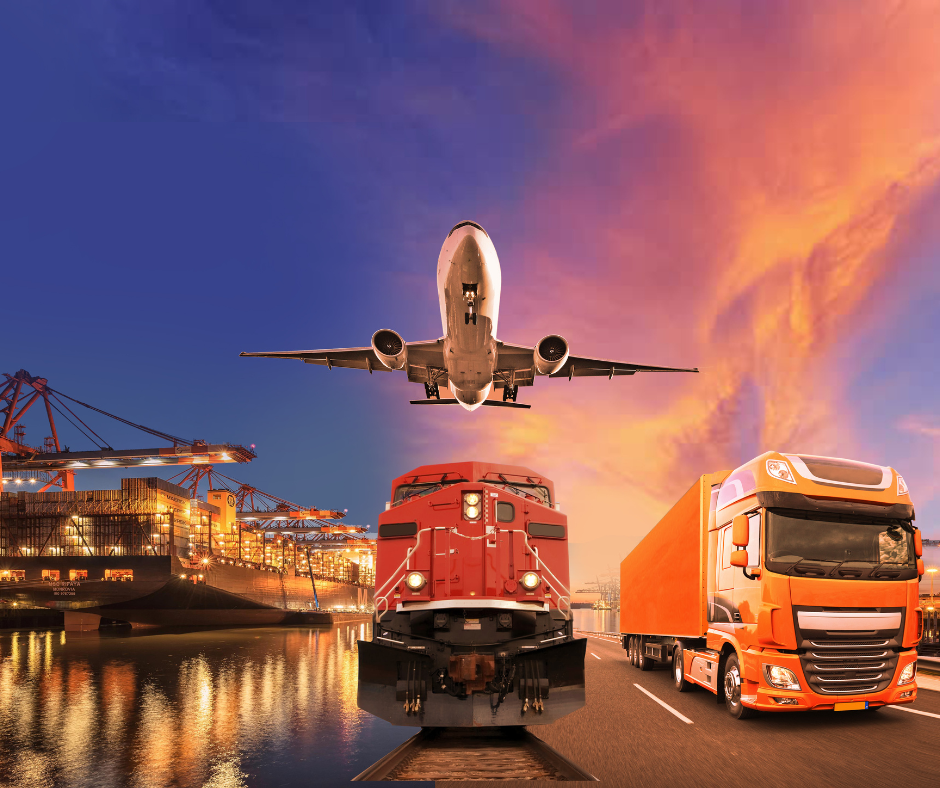
According to the 2022 Agility Emerging Markets Logistics Index, China has the largest logistics market in the world, based on logistics opportunities and business fundamentals.
Rail Transportation
China boasts one of the most extensive high-speed rail networks globally, connecting major cities and regions. While primarily designed for passenger transport, this network also plays a crucial role in moving freight. High-speed cargo trains can carry large volumes of goods quickly, making them a preferred choice for shipments that are time-sensitive. This also includes E-commerce orders that are paid extra for "express shipping."
Picture this: sleek, high-speed trains zipping across the country, not just with passengers but also with your favorite gadgets, heavy machinery, and much more.
Cargo Trains and Their Role in Freight Transport
Known as "freight trains" or "goods trains" in China, these juggernauts on rails are an everyday sight, moving everything from the latest tech gadgets to heavy-duty industrial equipment. Why? Well, they offer a rock-solid combo of reliability and cost-effectiveness for long-haul journeys.
Advantages and Challenges of Rail Transportation
Rail transportation in China offers several advantages, such as reduced emissions and lower transportation costs per ton-kilometer compared to road or air transport.
Sure, the rail tracks may have a few bumps during peak seasons, and seamless connections might need some fine-tuning. But that's where the excitement lies – the challenges are opportunities for innovation. China's freight game is all about constant evolution, and these hiccups are just part of the thrilling ride.
Road Transportation
The Chinese road transportation industry is notable for its vast size, diversity, and continuing modernization initiatives.
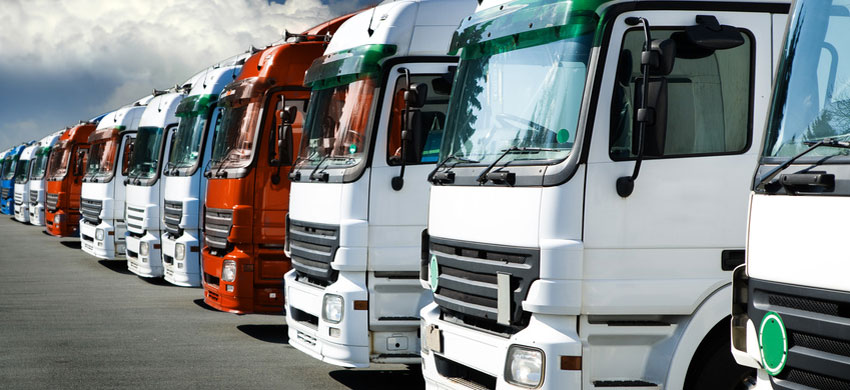
The Role of Trucks in Transporting Goods
Trucks are the undisputed champs of China's freight game. These road warriors handle the lion's share of domestic goods movement. They're the epitome of versatility, zipping goods from point A to point B. But, like any hero, they have their challenges – think traffic jams, pollution, and potholes.
Pros and Cons of Road Transportation
Road transportation offers an alluring mix of flexibility and accessibility. You can take your goods virtually anywhere, anytime. But, hold on; it's not all smooth cruising. Environmental concerns and occasional delays can rain on the parade. The key? Striking the perfect balance with other transport modes for a super-efficient freight system.
Water Transportation
China's rivers provide extensive inland waterways for transporting bulk goods. Additionally, China is known for numerous coastal and inland ports, crucial for international trade.
Air Transportation
China's air cargo scene is soaring to new heights. Airports like Hong Kong International and Shanghai Pudong are bustling hubs for time-critical shipments. If it's high-value, perishable, or simply can't-wait cargo, air transportation is the name of the game.
Air transportation is indispensable for high-value, perishable, or urgent goods. The expansion of air cargo services reflects China's increasing role in global supply chains.
Pipeline Transportation
China's hunger for energy demands an intricate web of pipelines. These high-tech arteries transport oil and gas from the production hotspots to the consumption epicenters, ensuring energy security. But, like any pipeline, they come with their share of challenges – safety, maintenance, and geopolitical intricacies.
Intermodal Transportation
Intermodal transport is where the magic happens. It's like the ultimate transportation remix, where goods shimmy seamlessly between different modes – rail to truck, ship to rail. Efficiency goes through the roof, and costs hit rock bottom.
Ready to take your freight knowledge to the next level? Click the button below to dive even deeper into the world of Chinese logistics!
E-commerce and Freight
E-commerce has revolutionized the way goods are bought and sold, and China has been at the forefront of this transformation. The rise of online marketplaces and digital platforms has significantly impacted the freight industry. Here's how:
Increased Volume: The surge in online shopping has led to an exponential growth in the volume of goods that need to be transported, both domestically and internationally.
Last-mile Delivery: Meeting customer expectations for quick deliveries, especially in densely populated urban areas, has become a logistics challenge. Companies are exploring innovative solutions like drone and autonomous vehicle deliveries.
Warehousing: The need for efficient warehousing facilities has grown, as companies strive to store and manage inventory closer to customers.
Final Thoughts
China's logistics game is no ordinary ride; it's a high-speed journey through railways, highways, waterways, and air routes. This intricate web connects the globe, ensuring goods move seamlessly on a colossal scale. But this isn't just logistics; it's evolution in action.